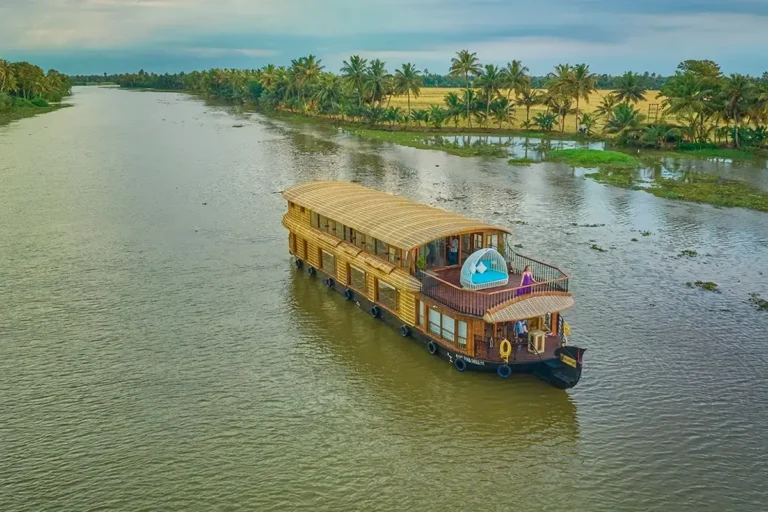
Kerala backwaters are one of the most famous natural attractions in India. They are a chain of lagoons, lakes, canals, rivers, estuaries and inlets that lie parallel to the Arabian Sea coast of Kerala, creating a calm inland water world that is closely connected to village life, farming, fishing and tourism. These waterways are especially important for houseboat tourism in places like Alleppey, Kumarakom, Kollam and Kuttanad.
For travellers searching online, the best direct answer is simple: Kerala backwaters are brackish waterways formed by the interaction of river flow, coastal currents, wave action and barrier islands. They are both a geographical feature and a living ecosystem.
What are Kerala Backwaters?
The term “backwaters” refers to a network of calm inland waters behind the coast. In Kerala, this network includes natural and man-made canals, lagoons, lakes, rivers, and estuaries. The system stretches across a large part of the state and is often described as one of the most distinctive water landscapes in the world.
According to travel and geography sources, the Kerala backwaters extend for about 900 km to 1,500 km depending on how the connected canal system is counted, and they are fed by 38 rivers and several major lakes. The best-known water body in this system is Vembanad Lake, which connects to important tourism zones in Alappuzha, Kottayam and Ernakulam.
- Network of lagoons, lakes, rivers and canals.
- Runs parallel to the Arabian Sea coast.
- Contains both freshwater and brackish water zones.
- Supports travel, fishing, farming and biodiversity.
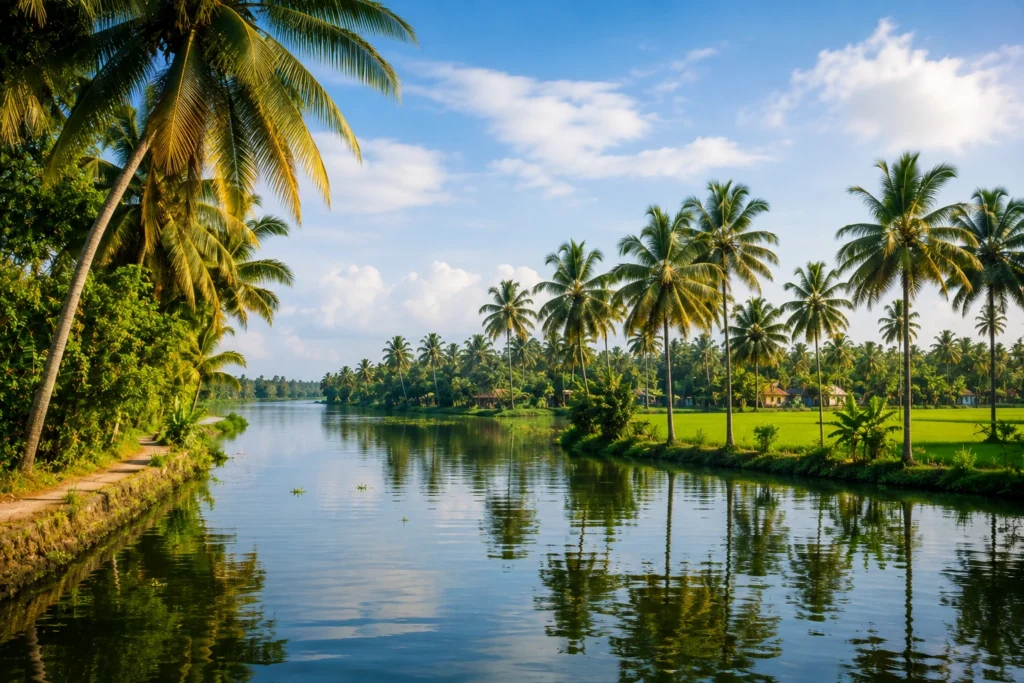
Meaning of Kerala Backwaters
In simple language, Kerala backwaters mean the inland water channels that lie behind the coast and are protected from the direct force of the sea. These waters are usually quiet, slow-moving and scenic, which makes them ideal for houseboat cruises and canoe rides. The term is not limited to one lake or one canal; it describes a whole interconnected system.
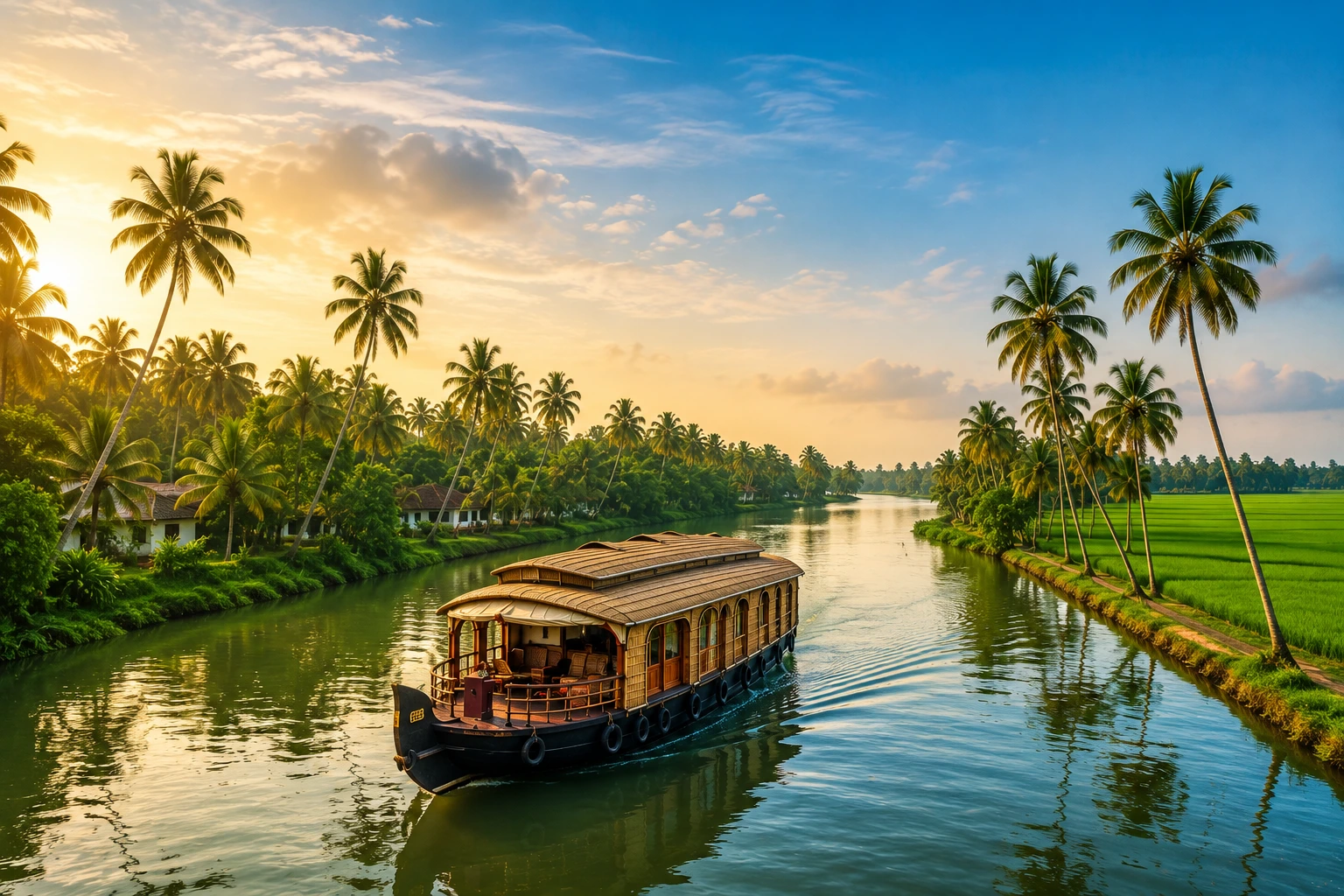
In Kerala tourism, the word “backwaters” has also become a brand identity. It represents the peaceful side of Kerala’s travel experience: coconut trees, paddy fields, village boats, local food, birdlife, and overnight stays on traditional kettuvallams or modern houseboats.
How Kerala Backwaters Were Formed
The formation of Kerala backwaters is a coastal geography process. Rivers flowing down from the Western Ghats reach the low-lying coastal plain, where the action of waves and shore currents from the Arabian Sea creates barrier islands, sandbars and separated water channels near river mouths. Over time, these natural formations trap and redirect water, creating lagoons and linked inland waterways.
Some parts of the backwater system were also shaped and expanded by human-made canals, especially for transport, agriculture and local movement. That is why the Kerala backwaters are both natural and partly modified by people over generations.
- Rivers descend from the Western Ghats toward the coast.
- Sea waves and shore currents reshape the shoreline.
- Sandbars and barrier islands form near river mouths.
- Water becomes enclosed behind these coastal formations.
- Canals and lagoons connect into a large water network.
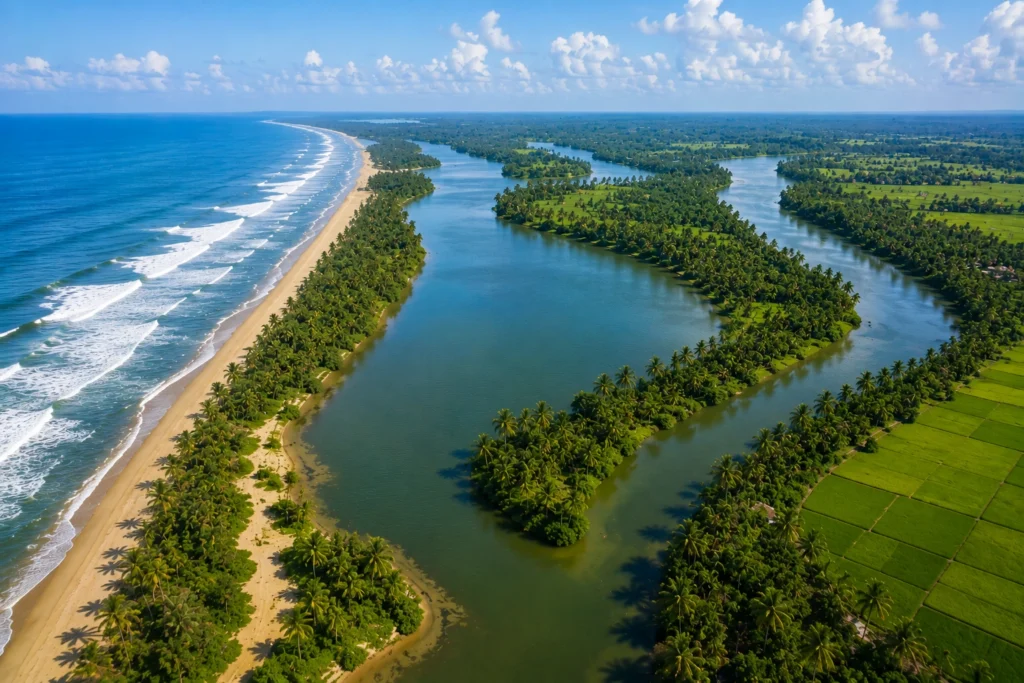
Scientific Character of the Backwaters
Kerala backwaters are often described as brackish lagoons because freshwater from rivers mixes with seawater from the Arabian Sea. This mixing creates a unique aquatic environment that supports fish, birds, mangroves and wetland species. The landscape is also closely linked to Kerala’s monsoon climate, which brings seasonal water flow and changes in water levels throughout the year.
Because of this ecosystem, the backwaters are not just scenic travel destinations. They are also important wetlands that contribute to biodiversity, local livelihoods and ecological balance.
Main Backwater Regions in Kerala
Kerala has several major backwater regions, each with a different character. Some areas are famous for houseboats, some for birdwatching, and some for village-style canoe rides. Together, they form a travel circuit that attracts both domestic and international visitors.
| Region | Why it is known |
|---|---|
| Alappuzha / Alleppey | Most famous houseboat destination and major backwater hub. |
| Kumarakom | Lake views, bird sanctuary, resort stays and relaxed cruising. |
| Vembanad Lake | Major lake system connecting several districts and tourism zones. |
| Kuttanad | Known for below-sea-level farming and paddy fields. |
| Ashtamudi Lake | Southern backwater destination with scenic cruises. |
| Thiruvallam and Veli | Calm canoe rides and tourism close to Thiruvananthapuram. |
| Kannur / Malabar backwaters | Less crowded northern backwater stretches and island scenery. |
Why Kerala Backwaters Are Famous
The Kerala backwaters are famous because they combine natural beauty, local culture and travel comfort in one destination. Visitors can cruise through palm-lined canals, see fishermen and farmers at work, taste Kerala food on a houseboat and experience villages that still depend on waterways for everyday movement.
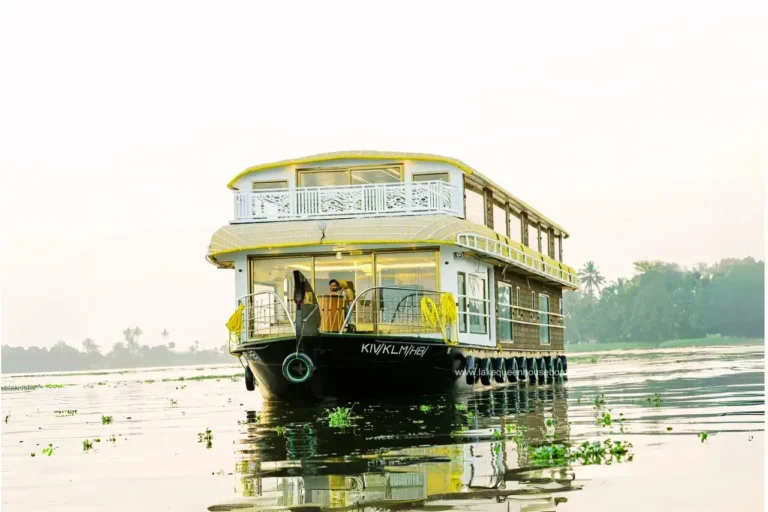
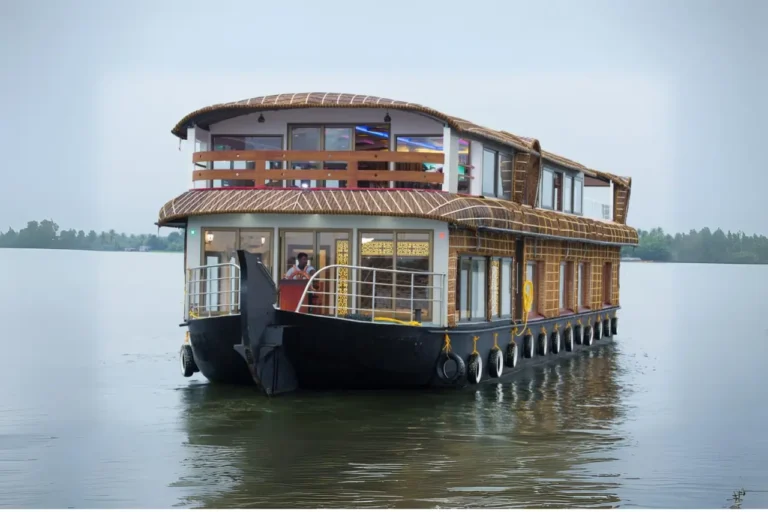
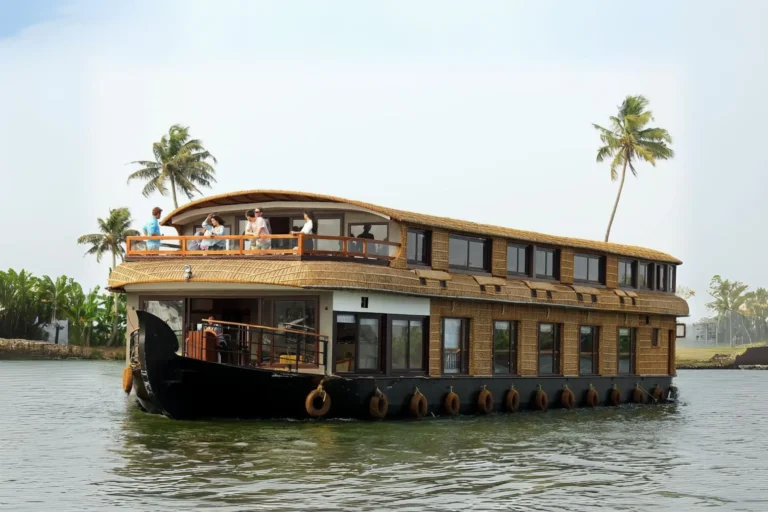
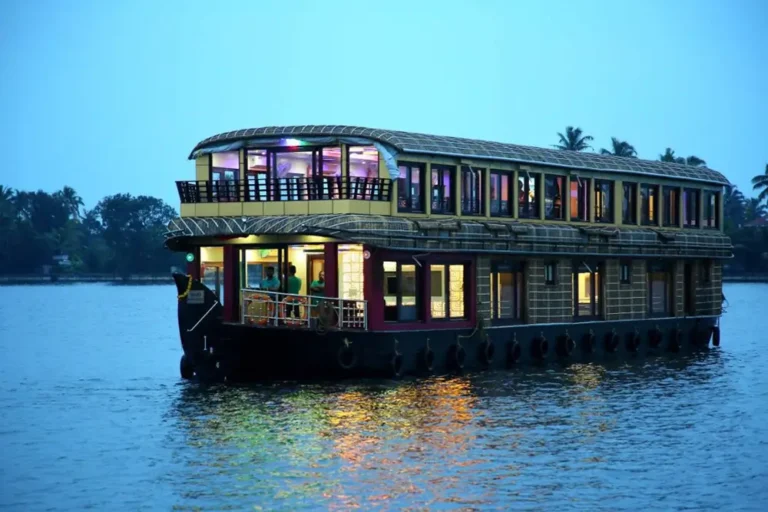
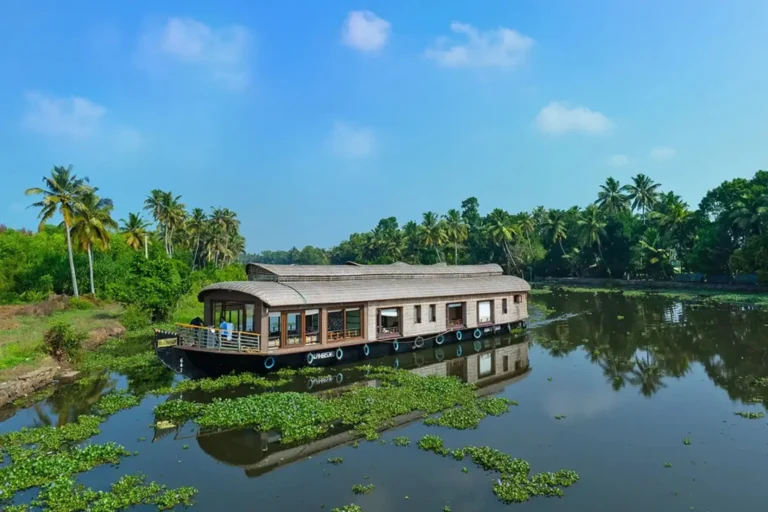
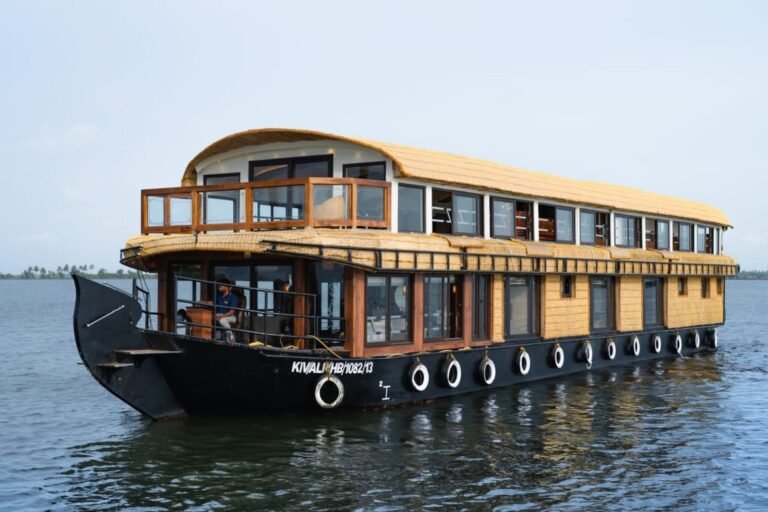
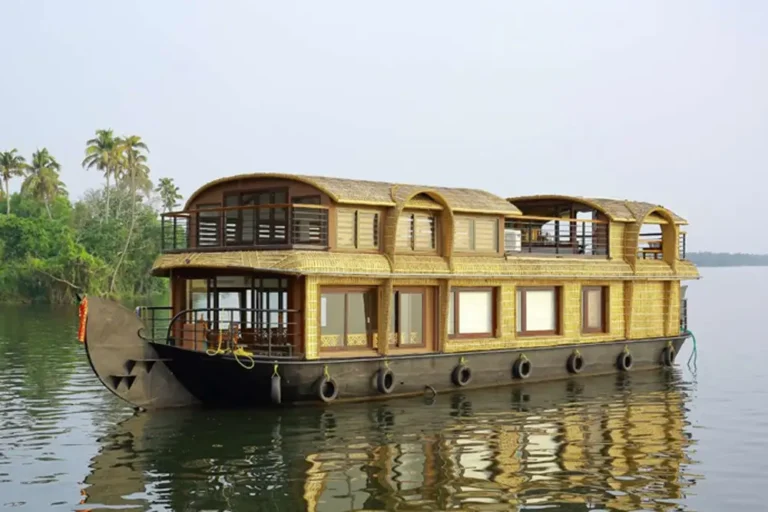
Alleppey became especially famous after houseboat tourism grew in popularity. Traditional kettuvallams, once used to carry rice and cargo, were converted into floating accommodation. Today, this has become one of the strongest tourism identities of Kerala.
- Houseboat stays and overnight cruises.
- Village life, fishing and coir-making culture.
- Scenic lagoons, paddy fields and coconut groves.
- Birdlife, wetland biodiversity and calm waters.
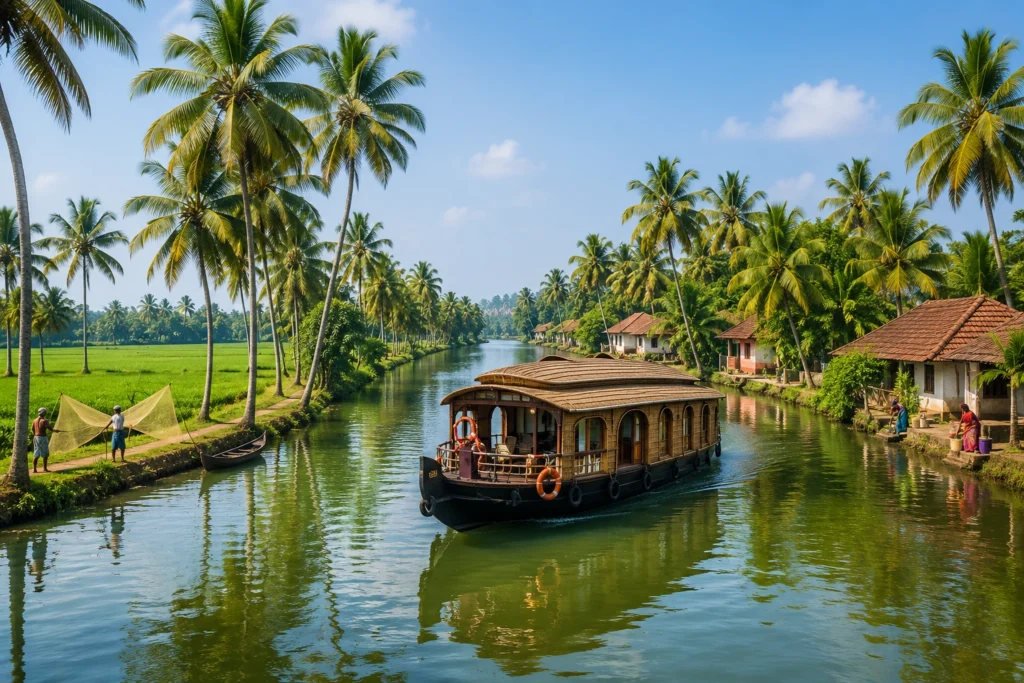
Houseboats and Backwater Tourism
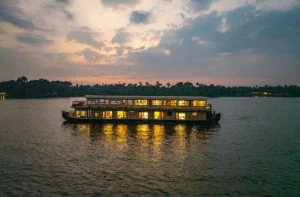
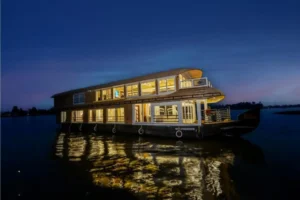
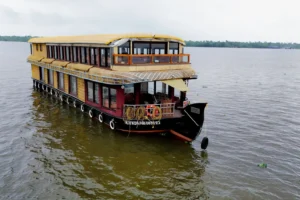
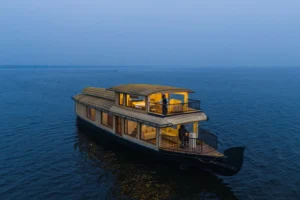
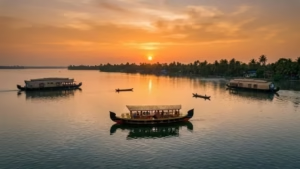
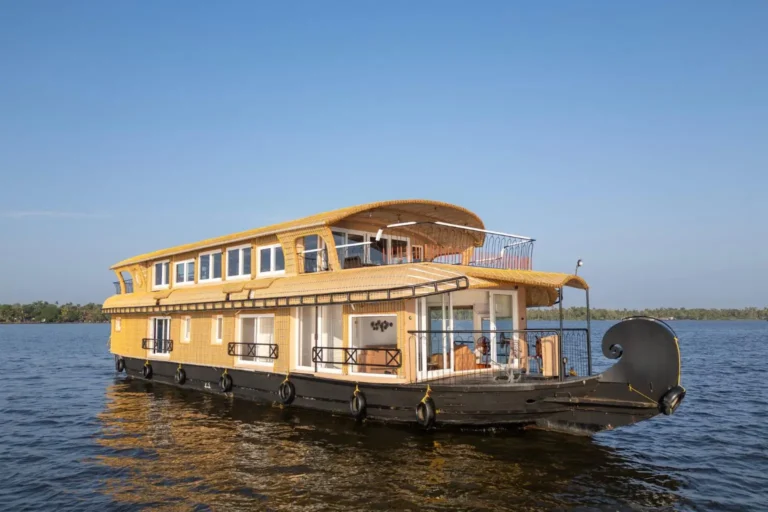
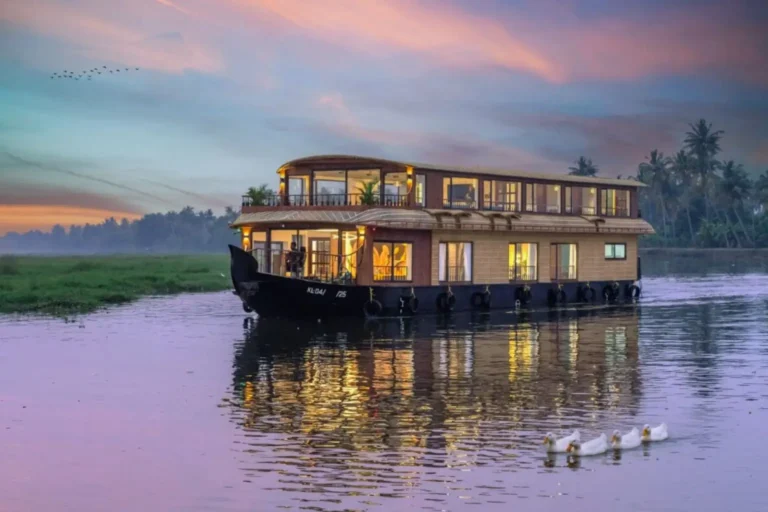
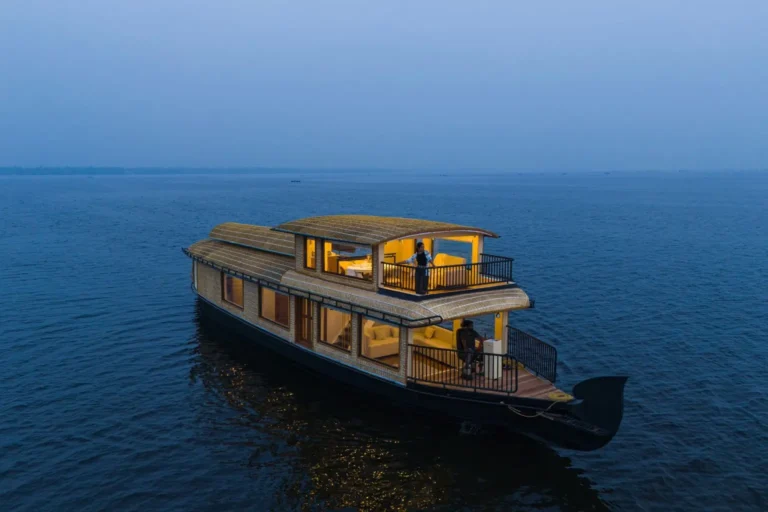
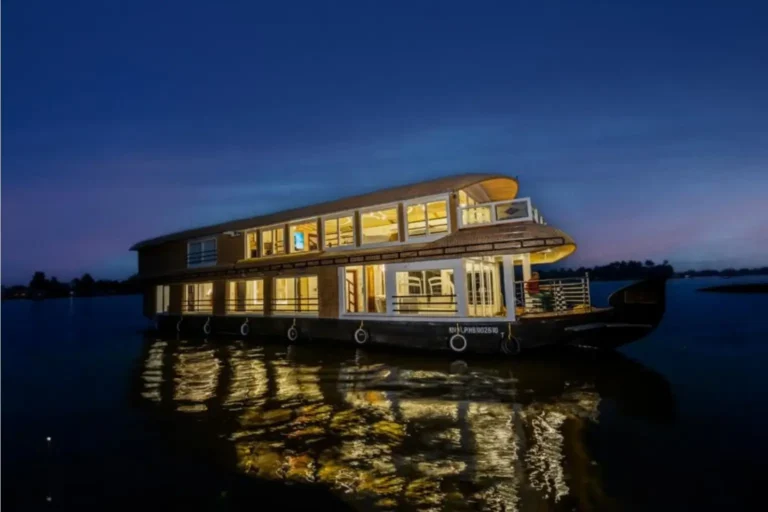
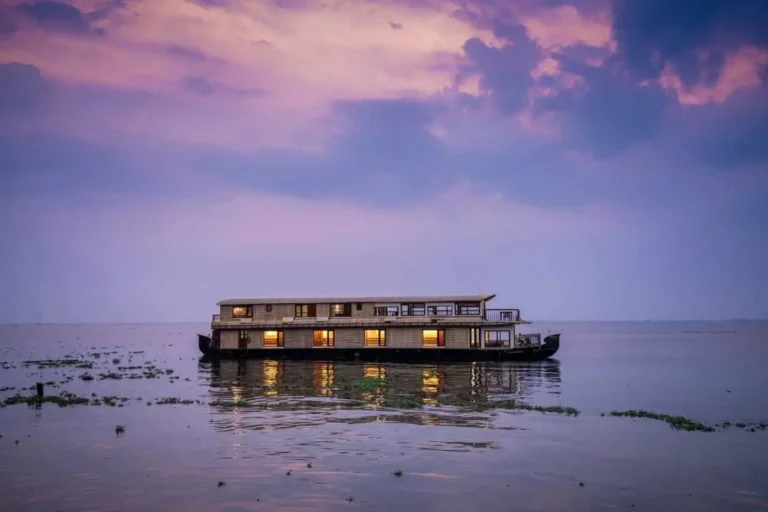
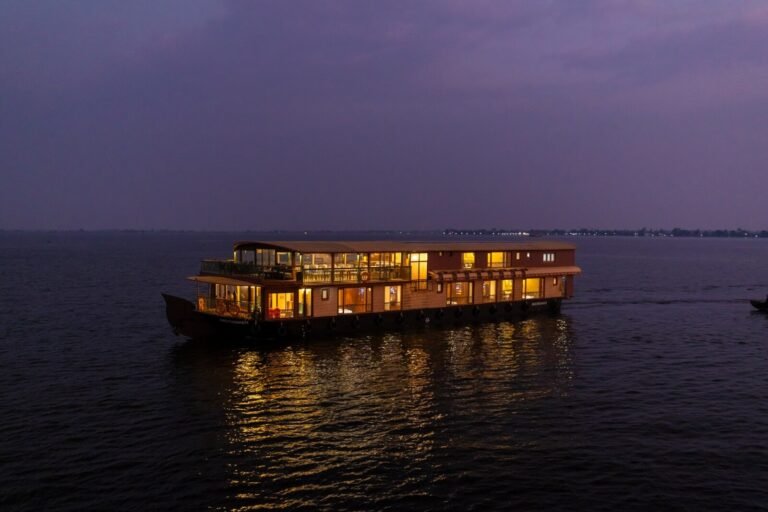
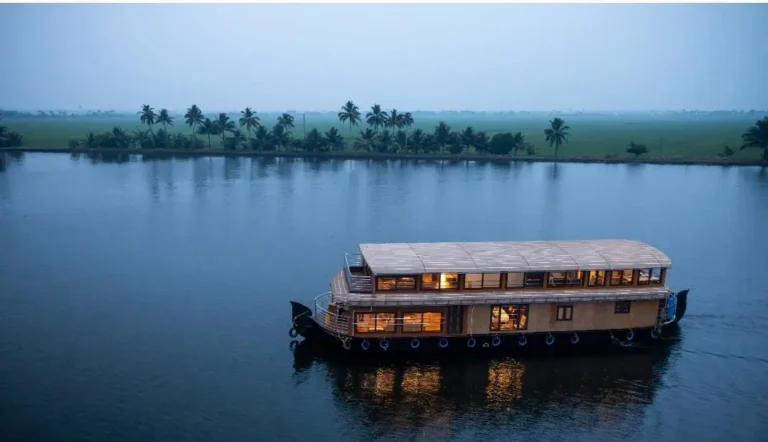
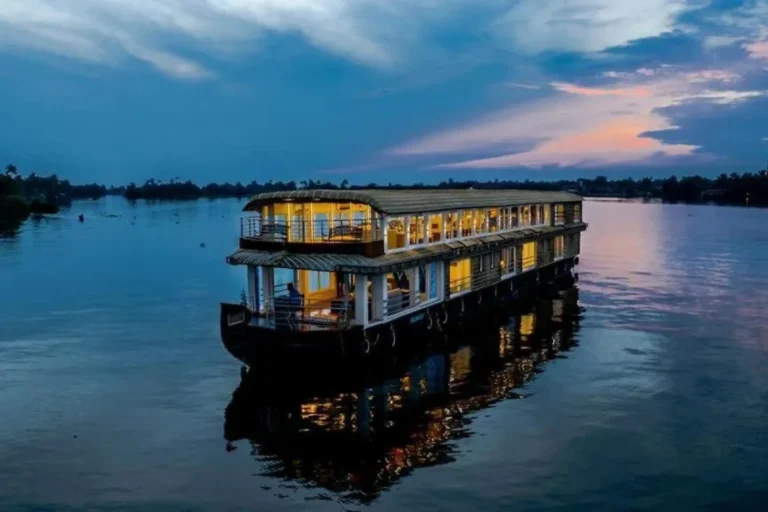
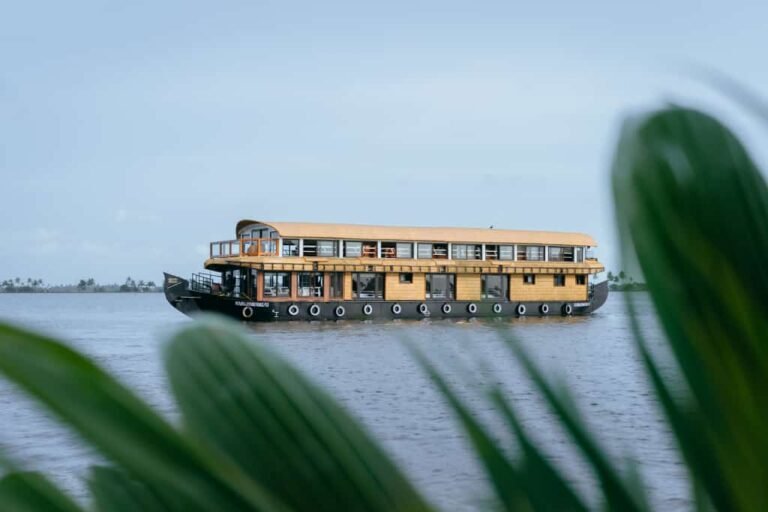
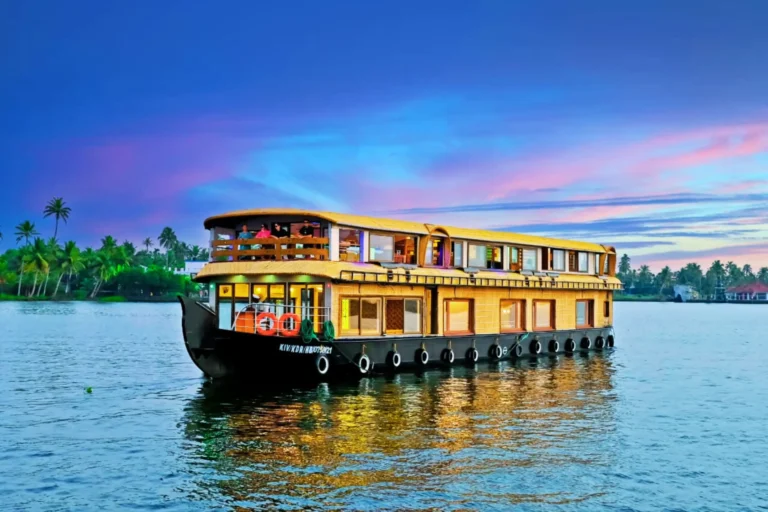
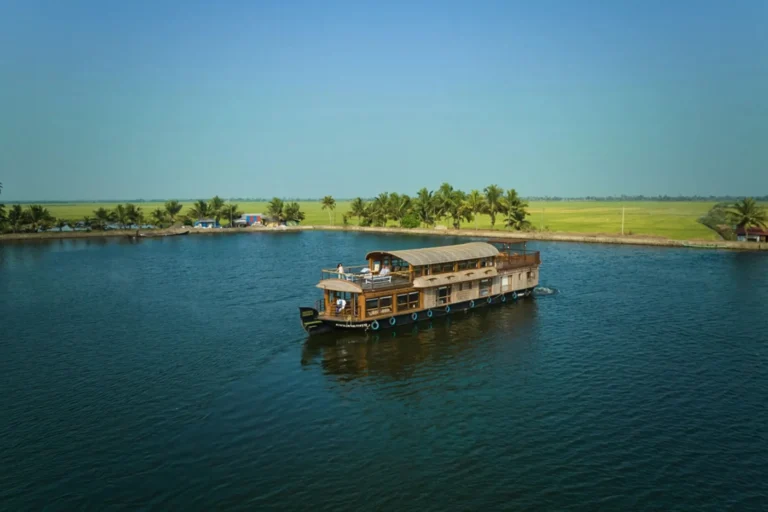
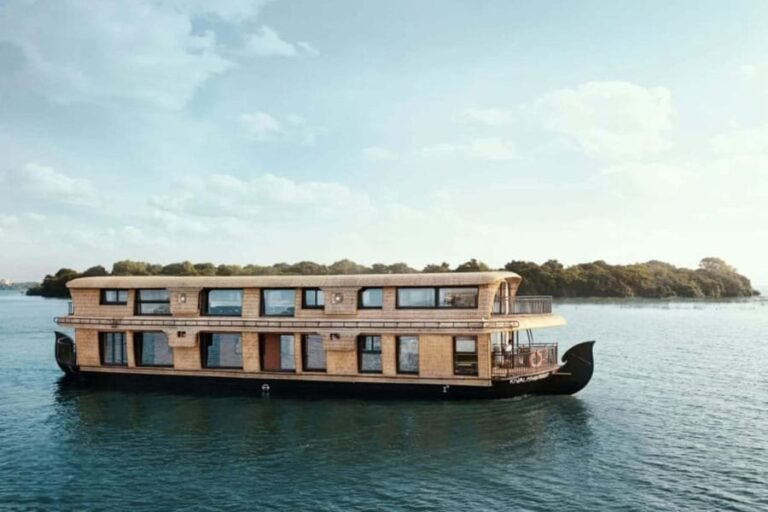
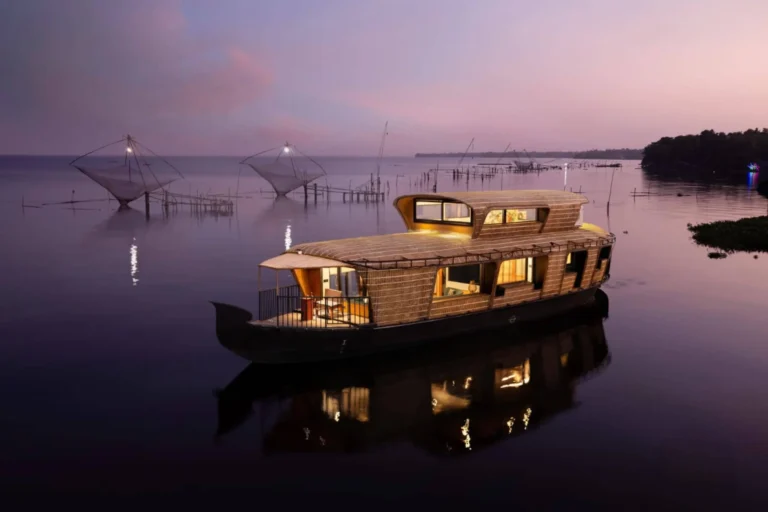
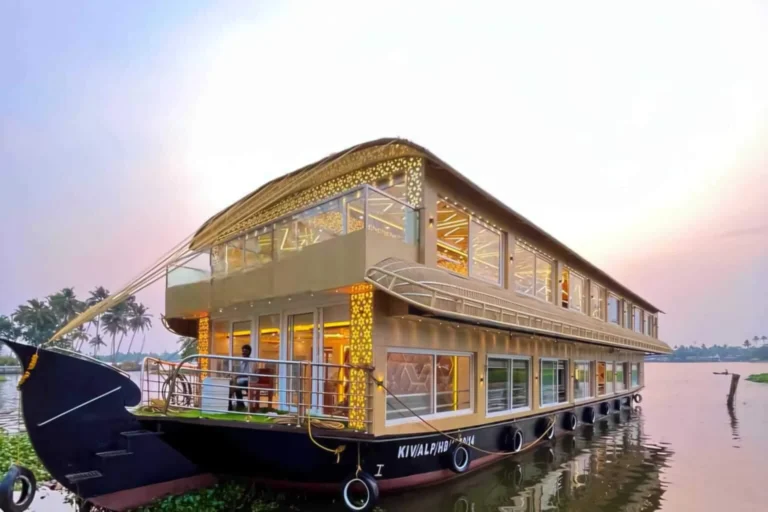
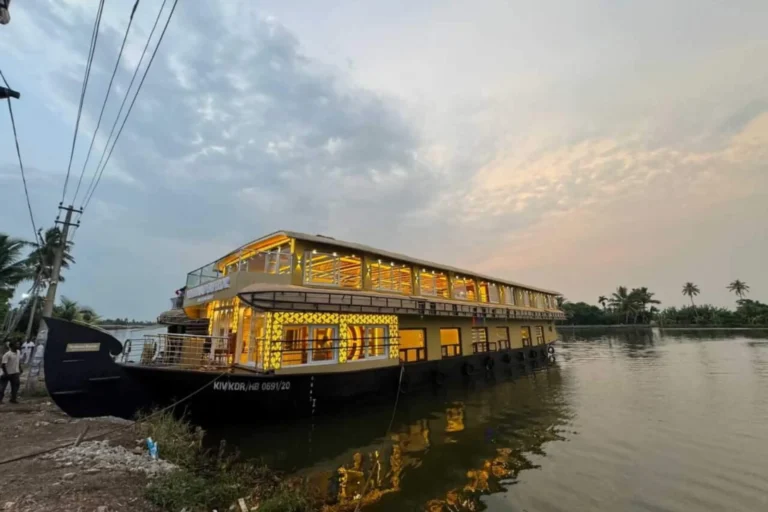
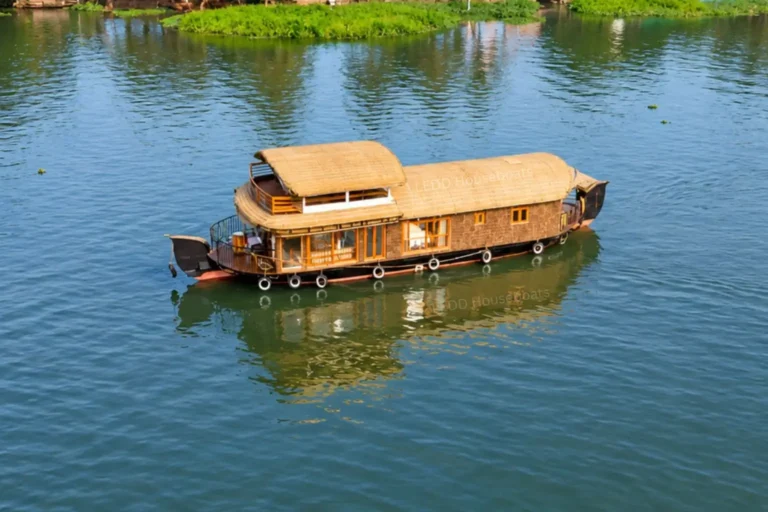
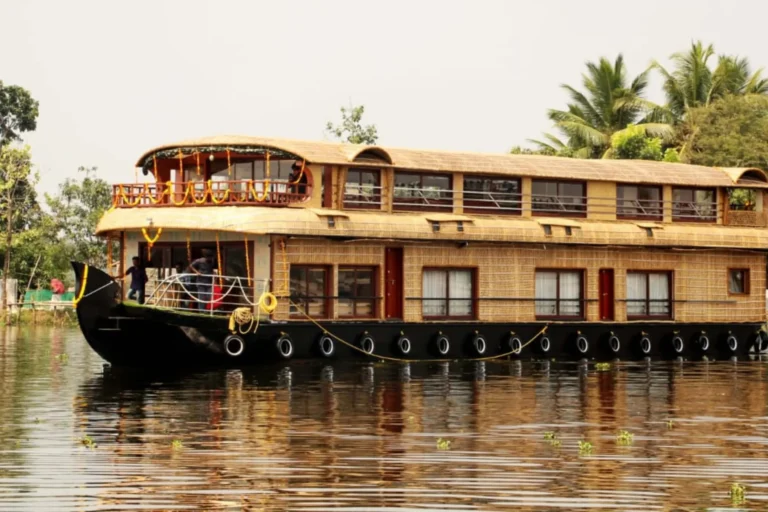
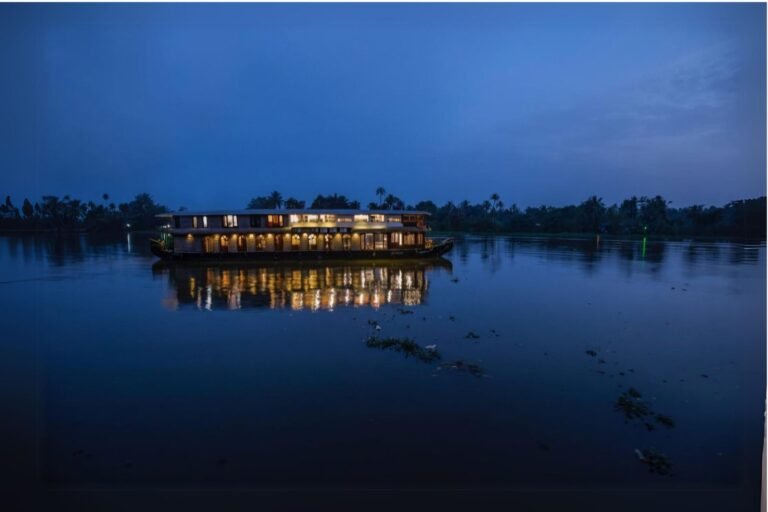
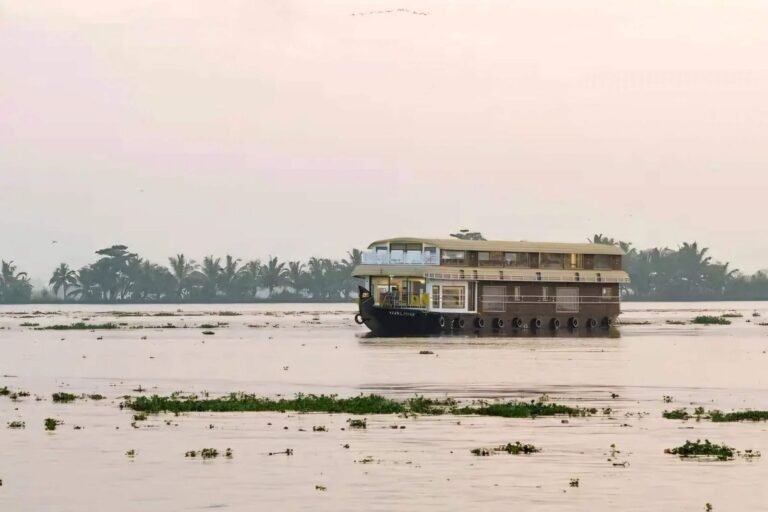
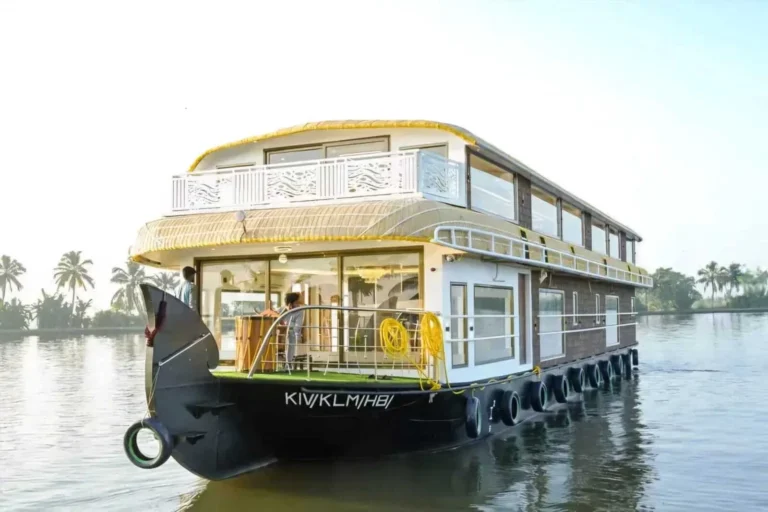
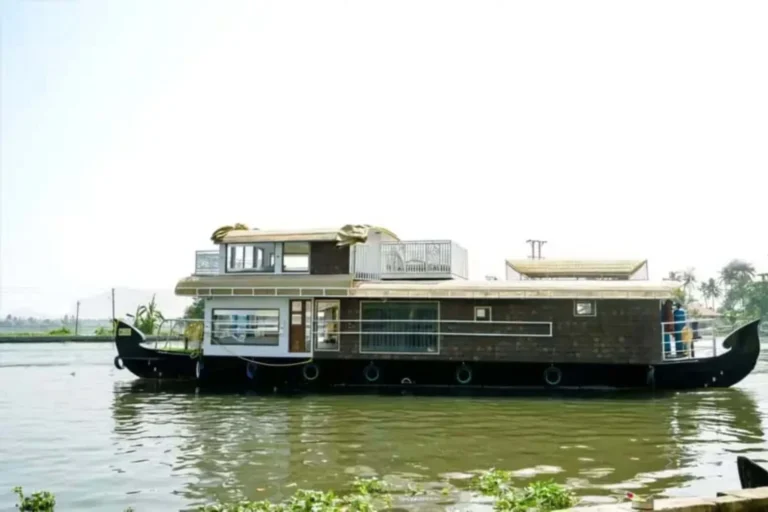
Houseboats are one of the biggest reasons travellers search for Kerala backwaters online. In the past, kettuvallams were wooden cargo boats tied with coir ropes. Today, they have evolved into comfortable tourist houseboats with bedrooms, dining areas, kitchens and viewing decks.
For brands like Lake Queen Houseboat, this connection is valuable because the backwaters are not just a destination; they are the experience itself. Travellers who search for Kerala backwaters usually want peaceful cruising, cultural immersion and scenic stays.
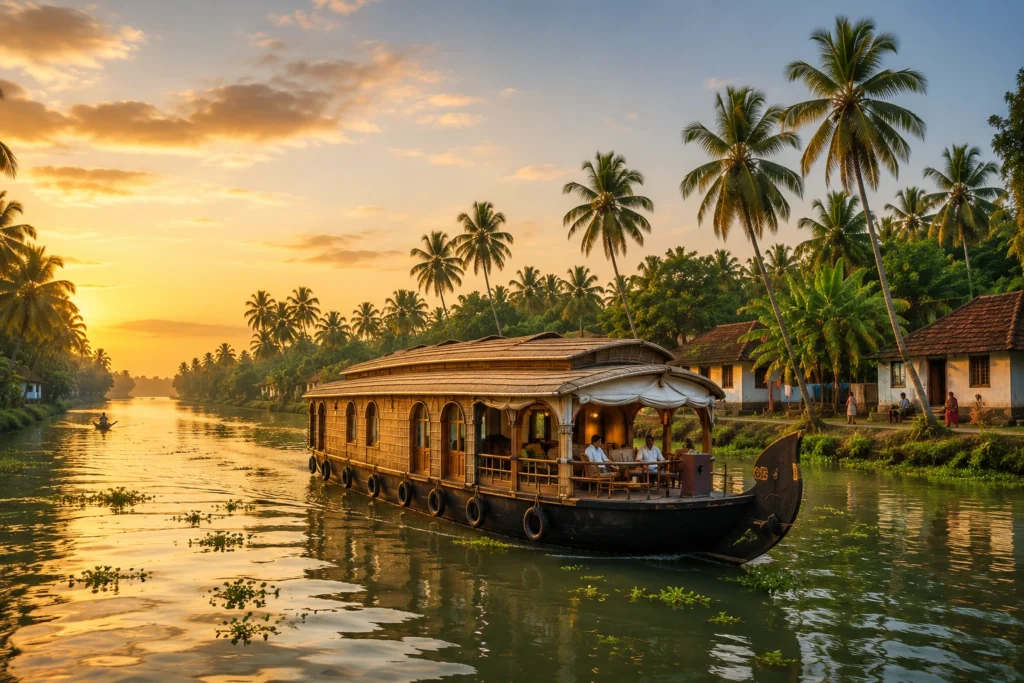
Best Time to Experience the Backwaters
The best time to experience Kerala backwaters is usually during the cooler and drier months, when cruising is more comfortable and visibility is better. The monsoon season creates lush scenery, but heavy rainfall can affect boat movement and sightseeing.
Many travellers prefer the period from October to March because the weather is pleasant and houseboat journeys are easier to enjoy.
Frequently Asked Questions
Are Kerala backwaters natural?
Yes, they are mainly natural water formations, though canals and waterways have also been expanded or maintained by people over time.
Why is the water called brackish?
Because freshwater from rivers mixes with seawater from the Arabian Sea in many parts of the backwater system.
Which is the most famous backwater destination in Kerala?
Alappuzha or Alleppey is the most famous, especially for houseboat tourism.
What makes Kerala backwaters special for tourists?
Their mix of natural beauty, local culture, slow travel, houseboats, village life and biodiversity makes them one of Kerala’s most unique attractions.
Conclusion
Kerala backwaters are a remarkable network of lagoons, canals, lakes and rivers formed by the interaction of inland rivers and coastal sea forces. They are not only a geographical wonder but also a cultural and tourism icon of Kerala. For travellers, they offer a peaceful way to explore the state; for local businesses like Lake Queen Houseboat, they are the heart of the Kerala travel experience.